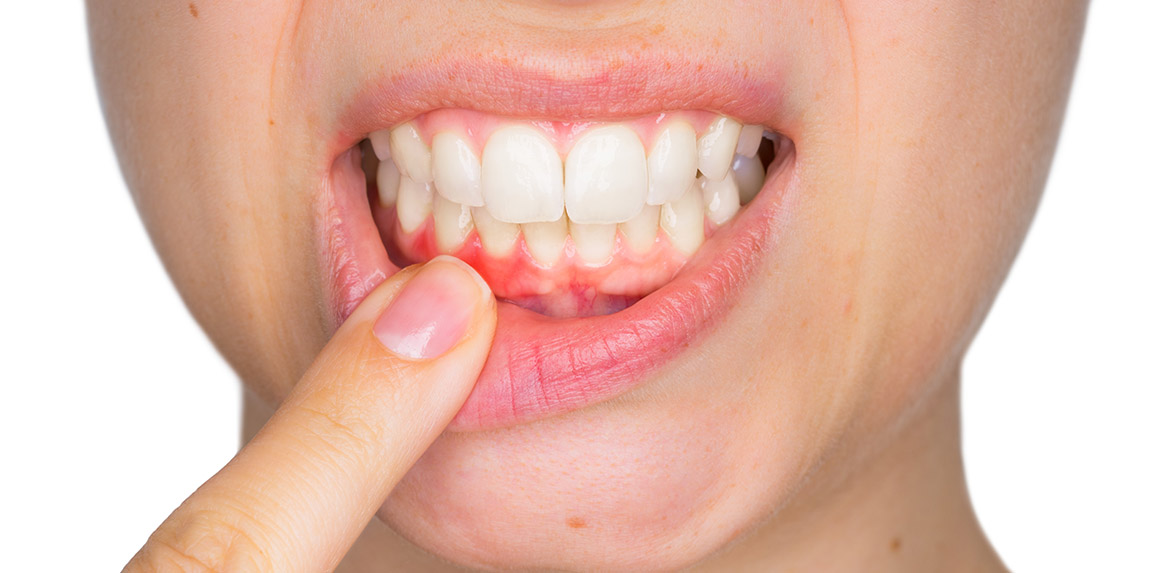
An itchy sensation in your mouth can be incredibly distracting and uncomfortable. While it is rarely a dental emergency, it is your body’s way of telling you that something needs attention.
A: Itchy gums are most commonly caused by plaque buildup (early gum disease), but they can also be triggered by allergic reactions (to food, pollen, or oral care products), hormonal shifts (such as during pregnancy or menopause), dry mouth, viral infections, or emerging wisdom teeth.
Rinse with saltwater: Swishing warm saltwater helps soothe irritation and reduce mild inflammation.
Stay hydrated: Drink plenty of water throughout the day to wash away bacteria and combat dry mouth.
Maintain excellent hygiene: Brush twice a day, floss daily, and use an antibacterial mouthwash to remove irritating plaque.
Avoid triggers: Steer clear of spicy, acidic, or highly textured foods that might further irritate your gums.
To resolve the itching permanently, it is important to identify the underlying trigger. Here are the most common culprits:
When plaque and tartar build up along the gumline, bacteria begin to irritate the sensitive tissue. This irritation often starts as a persistent itch before progressing to classic gingivitis symptoms like redness, swelling, or bleeding during brushing.
An allergic response can manifest as itching in the mouth (known as Oral Allergy Syndrome). This can be triggered by:
Certain foods, fresh fruits, or nuts.
Seasonal pollen allergies (hay fever).
A new brand of toothpaste, mouthwash, or dental material.
Hormonal shifts can significantly impact oral tissues by increasing blood flow to the gums, making them more sensitive and prone to itching. This is particularly common during:
Puberty
Pregnancy
Menstruation
Menopause
Saliva plays a crucial role in keeping your mouth clean and regulating bacteria. If you have a dry mouth—whether due to dehydration, mouth-breathing, or certain medications—the lack of moisture can cause your gums to feel dry, irritated, and itchy.
As wisdom teeth begin to push through the gums, the surrounding tissue can become stretched, inflamed, and itchy. Similarly, minor cuts or healing injuries inside the mouth can cause an itching sensation as the tissue repairs itself.
While mild, short-term itching can often be managed with improved hygiene and hydration, persistent symptoms should never be ignored.
If your itchy gums last for more than a few days, or if they are accompanied by any of the following symptoms, it is time to schedule a professional evaluation:
Bleeding gums when you brush or floss
Red, swollen, or receding gums
Persistent bad breath (halitosis)
Pain or sensitivity when chewing
If you are struggling with persistent gum discomfort or want to ensure your oral health is on track, our friendly and experienced team in Alderley Edge is here to help. We can quickly diagnose the root cause of your symptoms and provide gentle, effective treatment to get your smile back to its best.
Read the full story here: https://www.medicalnewstoday.com/articles/319565.php